

National Aerial Surveillance Program
The National Aerial Surveillance Program is an integral element of Canada’s ocean management. Canada takes a risk-based approach to ship-source
The National Aerial Surveillance Program is an integral element of Canada’s ocean management. Canada takes a risk-based approach to ship-source

The Arctic Ocean Basin continues to see sea-ice diminish and thin on an ever increasing basis, outstripping the scientific predictive

To move forward in a changing world, Canada needs clear thinking around important maritime governance issues that have an environmental
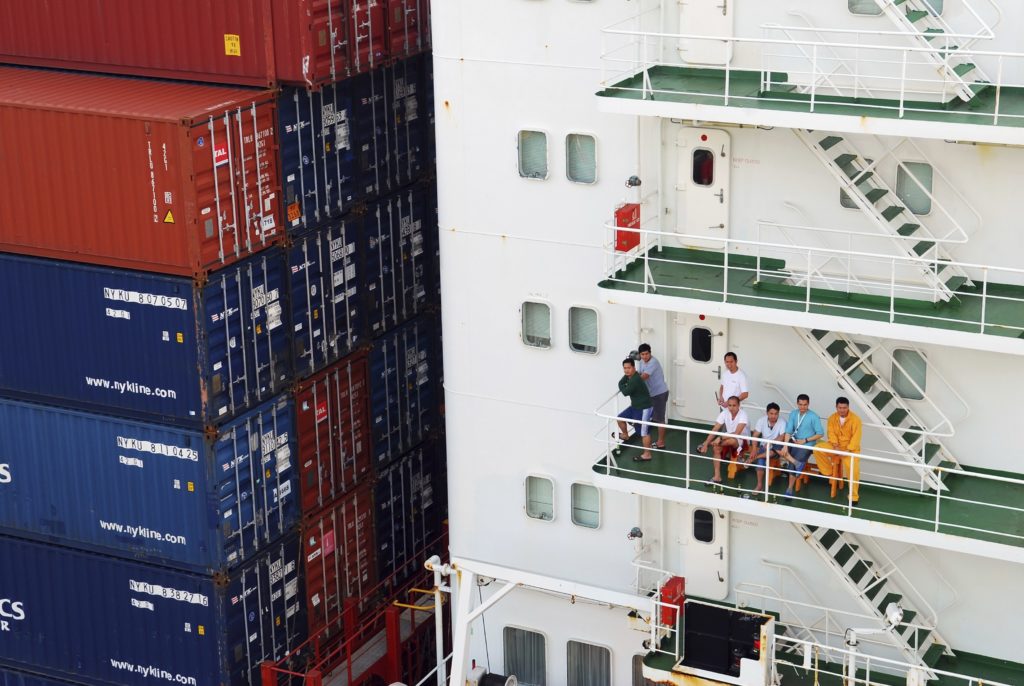
The coming into force of the Maritime Labour Convention, 2006 (MLC, 2006) in August 2013 might serve to generate such a discussion
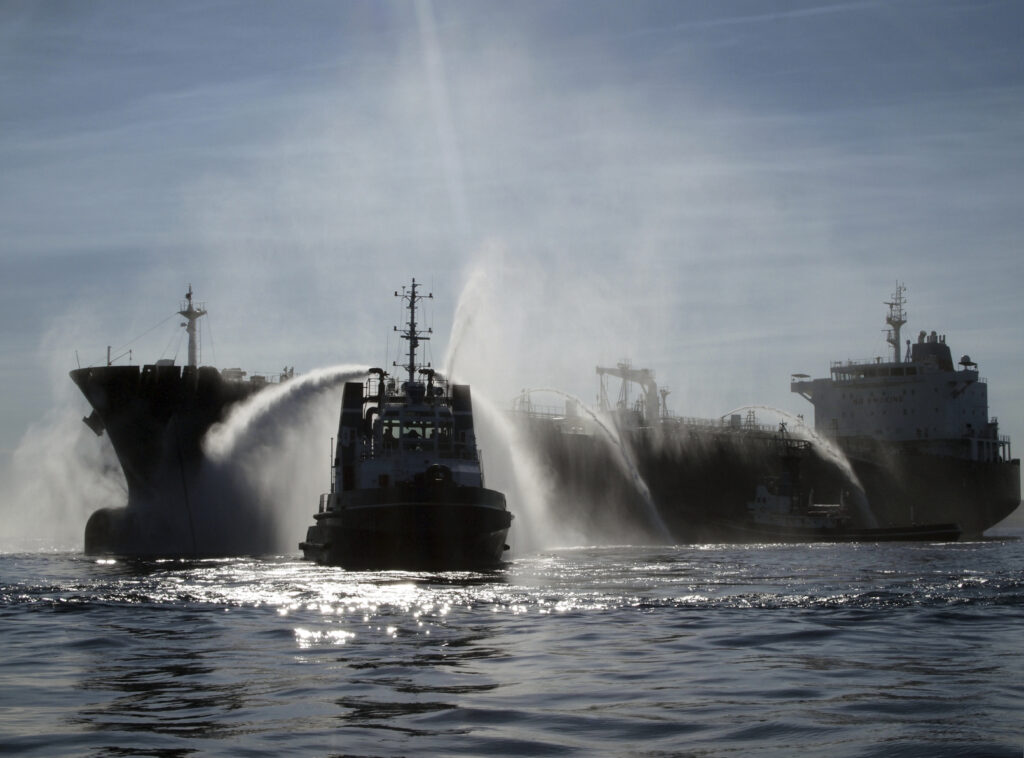
Marine salvage on the Pacific Coast is an important component of having a strong and resilient marine response capability. Recent

The 5th bi-annual Maritime Security Challenges 2012 conference was held in Victoria, British Columbia from October 1-3. Over the last
The illegal transport of migrants by ship is seen as a security threat by the Canadian government. The Honourable Jason
The Commissioner of Environment and Sustainable Development considered Canada’s marine pollution response regime in the fall of 2010. The chapter
K. Joseph Spears in this article for the Canadian Sailings Arctic Shipping Special Feature explores the development of Arctic shipping and the Polar Code.
This article compares the United Kingdom oil pollution response regime to Canada’s. The United Kingdom’s regime places particular emphasis on command and

America and the Law of the Sea Treaty both stand to benefit from U.S. ratification. Canada needs to support the
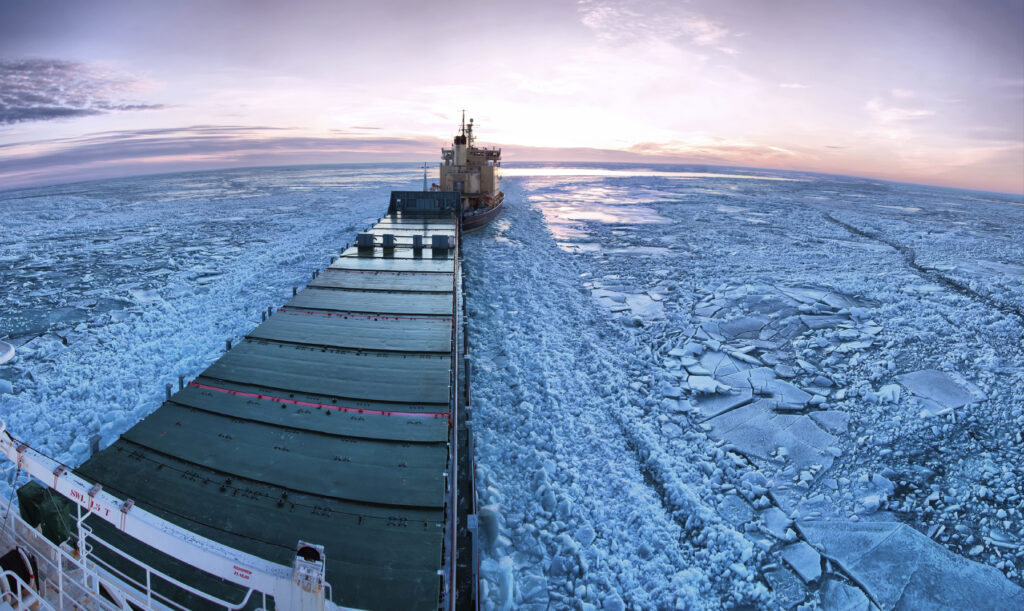
Arctic shipping and the Mary River project may soon become an important component of Canada’s marine foreign trade and economic